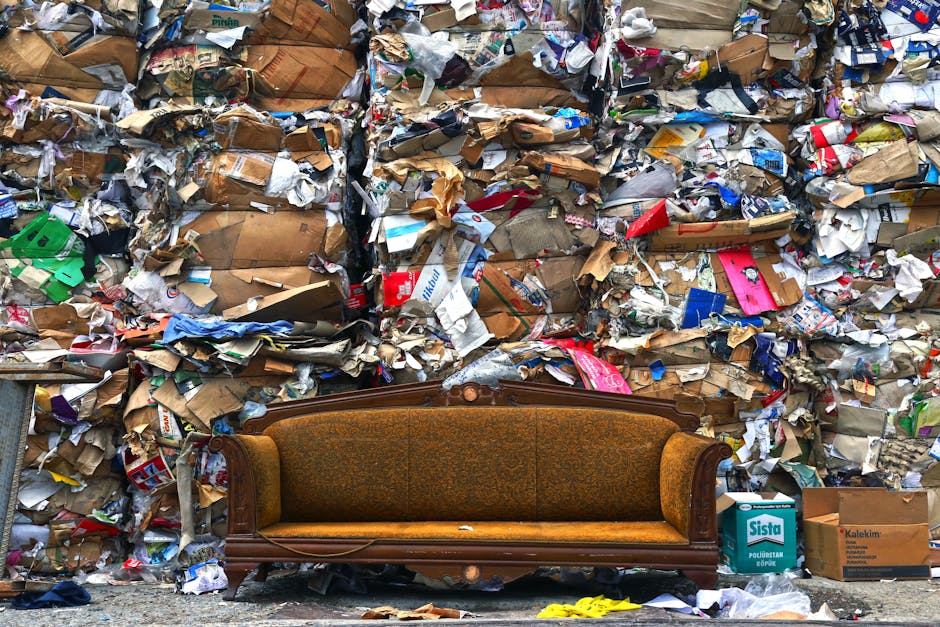
Sofa Disposal Rules in London Borough of Newham
If you are trying to get rid of an old sofa in Newham, the rules can feel oddly fiddly for something that seems so ordinary. One day it is just a tired three-seater with a saggy cushion; the next, you are wondering whether you need a bulky waste booking, what counts as fly-tipping, and who is actually allowed to take it away. The truth is, Sofa Disposal Rules in London Borough of Newham are not there to make life awkward. They are there to keep pavements clear, prevent illegal dumping, and make sure bulky furniture is handled safely and responsibly.
This guide walks you through the practical side of sofa disposal in Newham: what usually applies, how to stay compliant, where people go wrong, and how to choose the simplest route for your situation. If you are moving house, clearing a flat, or replacing a sofa that has simply given up, this should save you time and a fair bit of stress.
And yes, there is a right way to do this. Usually several, in fact.
Table of Contents
- Why Sofa Disposal Rules in London Borough of Newham Matters
- How Sofa Disposal Rules in London Borough of Newham Works
- Key Benefits and Practical Advantages
- Who This Is For and When It Makes Sense
- Step-by-Step Guidance
- Expert Tips for Better Results
- Common Mistakes to Avoid
- Tools, Resources and Recommendations
- Law, Compliance, Standards, or Best Practice
- Options, Methods, or Comparison Table
- Case Study or Real-World Example
- Practical Checklist
- Conclusion
- Frequently Asked Questions
Why Sofa Disposal Rules in London Borough of Newham Matters
Furniture disposal is one of those things people tend to leave until the last minute. Then the sofa is halfway through the hallway, the lift is busy, and suddenly everyone has an opinion. In Newham, as in other London boroughs, sofa disposal matters because large items are harder to collect, easier to dump illegally, and more likely to block shared spaces if left outside casually.
A sofa left on the street without arranging proper collection can become an eyesore quickly. It can also create safety issues for pedestrians, especially on narrower residential roads or estates where bins, bikes, and pushchairs already compete for space. If the sofa has been put out incorrectly, it may also trigger enforcement action. Nobody wants that for a piece of furniture that was already on its last legs.
There is also the environmental side. Sofas contain mixed materials: timber, metal springs, fabric, foam, staples, sometimes flame-retardant components, and old fasteners that are not ideal for general waste. So disposal is not just about removing an object; it is about separating what can be reused, repaired, or recycled where possible.
For residents, landlords, letting agents, and businesses in Newham, getting this right avoids delays during moves and end-of-tenancy clearances. It also helps keep communal areas tidy, which matters more than people sometimes admit. A clean stairwell can make a building feel calmer. It sounds small, but anyone who has lived near an abandoned bulky item pile-up knows the difference.
How Sofa Disposal Rules in London Borough of Newham Works
In practice, sofa disposal in Newham usually falls into a few broad routes. The exact option that suits you depends on the sofa's condition, how quickly it needs to go, and whether you can move it yourself without damaging walls, lifts, or your back. To be fair, the last point is the one most people underestimate.
The main approaches are:
- Re-use or donation if the sofa is clean, safe, and still suitable for another home.
- Council or bulky waste collection if the sofa is no longer needed and can be collected as a large household item.
- Licensed waste removal if you need fast pickup, multiple items removed, or extra help with carrying and loading.
- Take it to a suitable facility if you have access to a vehicle and can transport it yourself, following the correct rules for waste acceptance.
Most of the confusion comes from mixing up placing an item outside with arranging its collection. Those are not the same thing. Simply leaving a sofa on the pavement or beside a communal bin store does not make it "awaiting pickup" in any legitimate sense. If there is no confirmed collection arrangement, it may be treated as dumped waste.
Another point people miss is that some sofas are easier to move if they are broken down safely first. Not torn apart with brute force, obviously. But removing detachable legs, cushions, and loose parts can make collection simpler and reduce the risk of damage in narrow Newham flats where every corner seems to turn at the wrong angle.
If you are planning a wider move, it can help to combine sofa disposal with a larger clearance. Many residents pair it with man and van support or broader removal services when they need furniture shifted, not just thrown away. For larger homes or move-out days, options like house removals or furniture pick up can make the whole process smoother.
Key Benefits and Practical Advantages
Following the right sofa disposal route has more benefits than people expect. It is not just about avoiding fines or keeping the council happy. There are some very real practical wins too.
- You save time. A proper collection plan means fewer repeated trips, fewer phone calls, and less waiting around wondering if the item will disappear on its own.
- You reduce the risk of damage. A sofa jammed in a stairwell can scratch walls, chip bannisters, and make a small job turn into a repair headache.
- You keep your property tidy. This matters in flats, HMOs, and shared buildings where one abandoned sofa can affect everyone.
- You improve compliance. Using the correct route helps you stay within local expectations for waste handling and collection.
- You may support reuse. A sofa in decent condition may be suitable for reuse rather than disposal, which is better for the environment and often more sensible financially.
There is also a less obvious benefit: peace of mind. You know the item is gone properly, not sitting in someone else's alley, or worse, traced back to your address. That last bit can be awkward. Really awkward.
For landlords and agents, the advantage is even clearer. Proper disposal keeps void periods cleaner and handovers less messy. For business premises, particularly offices and shared spaces, it helps maintain a professional image while keeping walkways clear. If your project involves an office clear-out, it may be worth looking at office removals or commercial moves rather than treating furniture disposal as an afterthought.
Who This Is For and When It Makes Sense
Sofa disposal rules matter to a lot of people, not just those replacing a settee. The same guidance is useful if you are:
- moving out of a rented flat in Newham
- clearing an inherited property
- replacing old furniture after a refurbishment
- dealing with a sofa that is damaged, stained, or no longer safe to use
- emptying a student flat at the end of term
- managing waste for a landlord, letting agent, or housing association
- clearing an office reception area or communal seating
For some people, the best option is simply convenience. They do not have a van, the sofa is too heavy for two people, and they need it gone by tomorrow afternoon. For others, cost matters more, so they will compare council collection versus hiring a private team. Both instincts are valid.
You might also care about the condition of the sofa. If it is still usable, repairable, or clean enough for someone else, reuse can be the most sensible route. If it is split at the seams, smells damp, or has infestation concerns, disposal is usually the right answer. Straightforward, really, even if the logistics are not.
If you only need a single item moved, a service such as man with van can be more practical than arranging a larger vehicle, especially when access is tight. For bigger loads, moving van or removal van options are often a better fit.
Step-by-Step Guidance
If you want to handle sofa disposal in Newham without guesswork, use a simple process. Keep it calm. No need to make it a weekend project unless you really want one.
- Check the sofa's condition. Decide whether it is reusable, repairable, or only fit for disposal. If it is still decent, donation or reuse may be the better route.
- Measure access points. Note door widths, stair turns, lifts, and any awkward corners. A sofa that looks manageable in a living room can become a small architectural problem near the front door.
- Choose the right route. Decide between council collection, private removal, or self-transport. If you have multiple bulky items, it is often more efficient to bundle them together.
- Prepare the item. Remove cushions, blankets, loose feet, and anything detachable. Wrap or protect sharp edges if needed.
- Book collection or arrange transport. Confirm the date, access instructions, and any lifting restrictions. If you are using a removal team, make sure they know the item is a sofa, not just "some furniture".
- Move it safely. Use two people if possible. Gloves, a clear route, and a bit of patience go a long way.
- Keep evidence of the arrangement. A booking confirmation or receipt is useful if there is any question later about whether the item was removed properly.
One practical tip: if you are moving house, schedule sofa disposal before the final rush. The last evening before check-out is when everything gets louder, messier, and more expensive than it needed to be. Plan it two or three days earlier if you can.
Expert Tips for Better Results
Here are the little things that tend to make a sofa disposal job go much better. These are not glamorous tips. They are just the things that stop a simple job becoming one of those stories people complain about over tea.
- Photograph the sofa first. Especially if you are arranging collection or resale. Pictures help avoid confusion about size and condition.
- Check for hidden damage. Wet patches, mould, broken frames, and pests can change the right disposal route.
- Leave a clear path. Move lamps, shoes, side tables, and anything you might trip over. It seems obvious until the moment someone clips a heel on a stool.
- Ask about loading help. If stairs are involved, confirm whether the team will carry from the room or only from the kerbside.
- Keep the sofa dry. A wet sofa is heavier, messier, and more likely to smell while being moved.
- Think about timing. Mid-morning pickups often work better than late afternoon when hallways are busier and access is less predictable.
If you are dealing with more than just a sofa, it can help to combine the job with packing or clearance support. Services such as packing and unpacking services can be useful when the disposal is part of a broader move rather than a standalone task.
Another practical thing: ask yourself whether the sofa needs to be disposed of at all, or just removed from one property to another. Sometimes what feels like waste is simply surplus furniture that can be rehomed. That distinction saves money and, frankly, a lot of unnecessary lifting.
Common Mistakes to Avoid
There are a handful of repeat mistakes that pop up all the time with sofa disposal in London. Most are avoidable. Some are just old-fashioned optimism.
- Leaving the sofa outside without a booking. This is the big one. It creates fly-tipping risk and can lead to complaints.
- Underestimating the size. A three-seater sofa is rarely a one-person job, even if it looked small in the showroom twenty years ago.
- Ignoring building rules. Flats and managed properties often have access windows, lift bookings, or clearance requirements.
- Mixing rubbish into the sofa pile. Loose bags, broken lamps, and old cushions can change how the load is treated and sometimes make collection harder.
- Using an unverified carrier. If someone removes waste and then dumps it elsewhere, the problem can come back to you.
- Leaving disposal to the last minute. This usually creates rushed decisions and more expensive choices.
Another one that catches people out: assuming that "someone will take it" is the same as legal disposal. It is not. If you hand a sofa to the wrong person, or use a service that cannot explain where the waste goes, you may still be the one with a problem later. Not ideal.
Tools, Resources and Recommendations
You do not need specialist kit to dispose of a sofa, but a few basic tools make life easier.
- Measuring tape for doorways, lifts, and corridor widths
- Heavy-duty gloves for grip and hand protection
- Protective blankets or wraps to stop scrapes on walls and furniture
- Trolley or dolly if the route and weight allow it
- Packaging tape or straps to secure loose cushions and legs
- Camera phone for condition photos and proof of collection
In terms of service selection, choose the option that best fits the real job rather than the cheapest headline. If it is a single sofa and you need flexibility, a local team offering furniture pick up may be enough. If the sofa is part of a full property clear-out, a broader removal company or removal services approach may save time overall.
It is also worth reviewing a company's safety and insurance information before booking, especially if you live in a building with tight access or valuable finishes. For a little extra peace of mind, see the site's insurance and safety information and the health and safety policy where appropriate. That kind of detail may seem dry, but it matters when carrying bulky furniture through shared spaces.
Law, Compliance, Standards, or Best Practice
While this article is practical rather than legal advice, sofa disposal in Newham sits within the wider UK waste framework. In plain English, the key principle is simple: waste should be handled responsibly, transferred to the right person, and not abandoned in public places.
Good practice usually means:
- using legitimate collection or disposal routes
- keeping records of bookings or handovers where possible
- checking that any waste carrier or removal provider is suitable for the job
- avoiding informal disposal arrangements that cannot be verified later
- making sure the item is not left in a way that obstructs access or creates hazards
For households, that mostly means not dumping the sofa and not giving it to someone whose process is unclear. For landlords and businesses, the responsibility can be broader because the item may come from managed premises, a commercial clear-out, or a tenancy end date. A bit of caution here goes a long way.
Best practice also includes reuse where possible. If a sofa is clean, structurally sound, and acceptable for another home, reuse can reduce waste and disposal pressure. If not, recycling-friendly removal is generally the better route than an improvised street-side drop-off. Simple really.
Options, Methods, or Comparison Table
Choosing how to dispose of a sofa in Newham usually comes down to speed, cost, convenience, and condition. Here is a straightforward comparison to help you think it through.
| Method | Best for | Pros | Watch-outs |
|---|---|---|---|
| Reuse or donation | Clean, usable sofas | Low waste, often affordable, practical for good-quality items | Needs condition to be acceptable; not suitable for damaged or unsanitary sofas |
| Council or bulky item collection | Standard household disposal | Usually straightforward, designed for residents | May require booking and waiting time; rules can vary by circumstance |
| Private removal service | Fast, heavy, or awkward removals | Convenient, lifting help included, good for tight access | Can cost more than basic collection, depending on the job |
| Self-transport | People with access to a suitable vehicle | Flexible, potentially cost-effective | Physical effort, loading risk, and the need to dispose of it at the right place |
In practice, most people choose between a booked collection and a private removal service. If your sofa is on an upper floor, in a narrow Victorian terrace, or in a block with limited parking, the private option is often the least stressful. If you have a straightforward ground-floor pickup and time on your side, booked collection may be perfectly fine.
Case Study or Real-World Example
A fairly typical Newham scenario goes like this. A tenant in a second-floor flat in Stratford is moving out on Friday morning. The old sofa has a broken arm, the cushions are worn flat, and there is no lift. At first, they think they can just leave it near the entrance after moving the rest of the contents. That is the kind of plan that sounds convenient at 10 p.m. and less convincing by breakfast.
Instead, they measure the stairwell, check that the sofa will not fit through without some preparation, and decide to remove the loose cushions and feet first. They also arrange a dedicated collection rather than hoping someone else will handle it. The result is boring in the best possible way: no hallway damage, no last-minute panic, and no sofa left outside like an abandoned science experiment.
That is usually the goal, really. Not drama. Just a clean exit.
For move-outs involving more than one item, people often find it easier to combine sofa disposal with a larger clearance through removals or a flexible man and van removals service. If a bigger vehicle is needed, removals van options can keep the whole job moving without multiple trips.
Practical Checklist
Use this checklist before you move the sofa. A few minutes here can save you a lot of awkwardness later.
- Confirm whether the sofa is reusable, repairable, or only suitable for disposal
- Measure doorways, stair turns, and lift access
- Check building or estate rules for collections and loading
- Choose the disposal route that fits the sofa's condition and your timing
- Remove cushions, detachable legs, and loose parts
- Clear the route from room to exit
- Protect walls, floors, and corners if space is tight
- Book the collection or transport in advance
- Keep confirmation details or receipts
- Make sure nothing else is accidentally mixed into the load
If you tick those off, you are usually in good shape. Not glamorous, but effective.
Conclusion
Sofa disposal in Newham is not complicated once you know the basic rules: do not dump items casually, choose a proper collection or removal route, and match the method to the sofa's condition and your access situation. That is really the heart of it. The rest is just planning, measuring, and staying calm when the hallway looks smaller than it did yesterday.
Whether you are clearing a rented flat, replacing old living room furniture, or handling a bigger move, the smartest approach is the one that keeps you compliant, saves effort, and avoids unnecessary damage. A good disposal plan feels a bit unexciting in the moment, but that is exactly what you want. No drama, no mess, no surprise.
Get a free quote today and see how much you can save.
And if you are standing next to a sofa right now wondering how it became such a logistical problem, take a breath. You are not the first, and you will sort it out.
Frequently Asked Questions
Can I leave a sofa outside my home in Newham for collection?
Only if you have arranged a legitimate collection and followed the relevant instructions. Leaving a sofa outside without a proper booking can create fly-tipping issues or complaints from neighbours.
What is the safest way to dispose of a sofa in London Borough of Newham?
The safest option depends on the sofa's condition. If it is reusable, reuse or donation may be best. If not, a booked collection or licensed removal service is usually the most practical and safest route.
Do I need to dismantle my sofa before disposal?
Not always, but removing cushions, legs, and loose parts can make the job much easier. It also helps when access is tight or when you need to protect walls and bannisters.
Is sofa disposal free in Newham?
That depends on the route you use. Some collection options may involve a fee, while reuse or donation may not. It is sensible to compare the overall convenience, not just the headline price.
Can a sofa be recycled?
Parts of a sofa may be recyclable, but sofas are mixed-material items, so the exact outcome depends on how the item is processed. Reuse is often the best option if the sofa is still in good condition.
What should I do if the sofa is damaged or infested?
Damaged, damp, or infested sofas usually need a disposal route that can safely handle contaminated items. Be upfront about the condition so the collection method is suitable.
Can I use a man and van service for one sofa?
Yes, if the service is set up for furniture removal and the sofa fits the vehicle and access requirements. For a single item, this can be a convenient option.
What if I live in a flat with no lift?
That is very common in London, and it is where planning matters most. Check dimensions, ask about carrying assistance, and choose a service that can manage stairs safely.
Should I book sofa disposal before moving day?
Yes, if you can. Booking early reduces stress and avoids the last-minute scramble when keys, packing, and cleaning are all happening at once.
How do I know if a removal provider is suitable?
Look for clear information about collection process, safety, and insurance, and make sure they understand bulky furniture removals. If their answers are vague, that is usually a sign to keep looking.
What happens if I put a sofa out on the street and it gets reported?
If it was not arranged properly, it may be treated as illegally dumped waste. That can lead to enforcement action or an investigation into where the item came from.
What is the best option if I have a sofa plus other furniture to remove?
It is often better to bundle the items into one planned collection or removal. Services like house removals, removals, or furniture pick-up can be more efficient than trying to dispose of everything separately.