Access Problems? Moving from Victorian Terraces in Maryland
Posted on 10/06/2026
If you're moving from a Victorian terrace in Maryland, you already know the issue usually isn't the distance or the boxes. It's the access. Narrow front paths, steep steps, tight hallways, awkward street parking, and rear garden routes that look simple until a sofa appears in the doorway - that's where the real stress starts. And to be fair, Victorian terraces can be brilliant homes, but they were not designed with modern wardrobes, American-style fridges, or a removal van in mind.
This guide breaks down what access problems actually mean, why they matter, and how to plan a smoother move without turning the day into a scramble. You'll find practical steps, local observations, and a few reality checks that can save time, money, and a lot of frustrated lifting. If you want the big picture first, the house-move planning guide and decluttering advice are useful companions to this article.
Why Access Problems? Moving from Victorian Terraces in Maryland Matters
Access is one of those moving details people underestimate right up until move day. A Victorian terrace can have character, kerb appeal, and lovely proportions inside, but the practical route from front room to removal van may be awkward in more than one way. You might be dealing with a narrow hallway, a split-level step at the entrance, a turn in the stairs that catches the corners of furniture, or parking so limited that the van can't stop directly outside.
In Maryland, that matters even more because local streets can be busy at the wrong time of day, and small access delays stack up quickly. If the crew has to carry everything farther than expected, every item takes longer to move. That sounds obvious, but in the middle of a move it's exactly where people get caught out. One extra trip up a narrow staircase with a mattress or chest of drawers is not just annoying; it can change the whole pace of the job.
There's also the safety side. Tight access increases the chance of scuffed walls, bumped bannisters, strained backs, and damaged furniture. A hallway that feels roomy when you're walking through it can feel very different when a sofa is being turned sideways at shoulder height. Nobody enjoys the sound of wood scraping plaster at 8:15 on a wet Tuesday morning. Nobody.
So, access planning is not a minor detail. It is the difference between a move that feels controlled and one that feels like a constant apology tour through the house. If you're moving larger items, it may be worth reading the practical notes in heavy lifting tips and the guide to lifting techniques that protect your body.
How Access Problems? Moving from Victorian Terraces in Maryland Works
Handling access issues well starts with a simple process: measure, inspect, plan, and match the move to the property. That sequence sounds neat on paper, but it's exactly how experienced movers reduce surprises.
1. Measure the route, not just the furniture
People often measure the sofa and forget the staircase. You need both. Check door widths, hallway turns, stair widths, ceiling height near landings, and the distance from the property to where the van can safely stop. A tape measure is useful, but a quick visual walk-through matters just as much. Sometimes the problem isn't width; it's angle. A wardrobe may fit in theory and still refuse to make the turn. Classic moving nonsense.
2. Identify the bottleneck points
Most Victorian terrace access problems happen in a few predictable places: front steps, tight internal stairs, narrow landings, side entrances, rear alleys, and parking restrictions. You only need one of those to be awkward for the whole job to slow down. If the route includes a low wall, a tight gate, or an external cellar door, note that too. Even small obstructions can make carrying heavy items feel much harder than the item itself suggests.
3. Match the vehicle and crew to the access
Not every move needs the same size van or the same number of hands. A smaller vehicle may be easier to park on a tight residential street, while a bigger van may reduce the number of trips if access to the property is straightforward enough. That balance is worth thinking through properly. For some homes, a flexible man and van option is more practical than a larger setup, especially when street access is the real constraint.
4. Plan the loading order around difficulty
Items that are awkward, heavy, or fragile should be loaded and unloaded in a logical order. If the biggest sofa has to come out before the corridor is cleared, you'll feel every extra inch. Good planning often means moving the easy boxes first, then the awkward furniture, then the specialist items. It keeps the route cleaner and the team less boxed in. Literally boxed in, sometimes.
5. Build in time for the unexpected
Victorian terraces have a habit of springing surprises: a hidden lip at the doorstep, a tighter staircase than you remembered, or a parked car blocking a crucial turning point. A realistic time buffer makes the whole day calmer. It also means you're less likely to rush, which is when accidents happen.
Key Benefits and Practical Advantages
Good access planning gives you more than convenience. It changes the whole quality of the move.
- Less damage: Clear routes and the right handling reduce knocks to walls, furniture, and doors.
- Faster loading: When the route is mapped properly, crews waste less time hesitating at each turning point.
- Lower strain: Fewer awkward lifts mean less pressure on your back, knees, and shoulders.
- Better use of the van: The loading order becomes more efficient, which often means fewer wasted trips.
- Less stress: That may sound vague, but it is huge. A move with a plan feels dramatically calmer.
There's also a financial advantage. When access is poor and nobody has planned for it, jobs take longer. Longer jobs can mean more labour time and more frustration. A small amount of planning upfront can prevent avoidable delays later. You do not want the day drifting into that slightly desperate, "Right, let's just get it out any way we can" stage.
For larger belongings, the practical benefit becomes even clearer. A bed frame, for example, is much easier to move safely when you've already reviewed the route. The same goes for bulky furniture. If you're moving a suite, the advice in sofa protection and storage can help keep upholstery in good condition while you work around tight access.
Who This Is For and When It Makes Sense
This kind of planning is useful for almost anyone moving out of a Victorian terrace, but it matters most in a few specific situations.
- Families with full houses: More belongings usually means more awkward items and more potential bottlenecks.
- Students and sharers: Even small moves can be tricky if staircases are narrow and parking is limited. The process is often less about volume and more about access.
- Older residents or downsizers: Smaller moves often include sentimental or fragile items that need careful handling, especially if the route is tight.
- Anyone moving on a tight schedule: If you have a completion deadline, end-of-tenancy checkout, or same-day turnaround, access problems matter even more.
- People with large or specialist items: Pianos, freezers, wardrobes, mattresses, and glass items all need extra thought.
If you're in the student category, it can be handy to compare your situation with student removals in Maryland. If it's a whole-home move with multiple bulky items, a more complete house removals service may be the better fit. Truth be told, the right option usually depends on access more than on the number of boxes.
It also makes sense for anyone moving during busy local periods. If road conditions or parking windows are tight, timing can matter just as much as the route inside the house. That's where a bit of local knowledge helps, and it's worth thinking about guidance like the best times for removals on Barking Road and the note on loading bays on Romford Road.
Step-by-Step Guidance
- Walk the property from end to end. Start at the room with the largest item and follow the exact route to the van. Don't just assume the front door is the only issue.
- Measure the tight spots. Focus on door frames, stairs, corners, landings, gates, and any outside path that narrows.
- Decide what must come apart. Beds, table legs, some wardrobes, and modular furniture often move better when dismantled.
- Prepare protective materials. Blankets, shrink wrap, tape, and corner guards reduce friction and minor damage.
- Clear the route early. Shoes, plant pots, bins, bikes, and hallway clutter have an annoying habit of getting in the way when you are busiest.
- Plan parking before the van arrives. If the street is tight, think about where loading is actually possible.
- Load in a sensible sequence. Put the largest or most difficult items in first if they are leaving through a narrow exit, then build around them.
- Check the route again before lifting. It sounds repetitive, but a second look often catches the one thing that was missed.
- Use proper carrying techniques. Keep loads close to the body, move slowly on stairs, and call for help before the lift becomes a problem.
- Leave a little time buffer at the end. Finish with a final sweep of the property, then do a calm walk-through rather than a rushed dash.
A small tip that saves real hassle: photograph tricky doorways, landings, or stair turns before move day. It helps you remember where the snag points are, especially if you're comparing options with a removal team later. And yes, you'll probably notice one staircase that looked far wider in the empty-room photos. Happens all the time.
Expert Tips for Better Results
Here's where the job gets much easier. Small decisions made early have an outsized impact.
Choose what to dismantle, not what to fight with
Some items are best moved in one piece. Others are not. A wardrobe that can be split down the middle is usually worth dismantling. A solid chest of drawers may be better left intact if the route is manageable. The judgment call is important. People often waste energy trying to force awkward items through a space that simply wasn't made for them.
Protect the property as much as the furniture
Door frames, bannisters, stair edges, and freshly painted walls are vulnerable in narrow access homes. Use covers, blankets, and careful spotting. If the house has character features - old wood, plaster details, narrow skirting boards - they deserve extra care. Once damaged, those little marks are oddly hard to forget.
Use the route that feels easiest, not the one that looks shortest
Sometimes the back gate is technically closer, but the front route is wider and safer. Shorter is not always better. Easier usually wins.
Be honest about weight
That heavy item you "can probably manage" often becomes the item that causes delay. If something feels borderline, don't gamble on it. Better to ask for help than to regret a back twinge halfway down the stairs. We've all had that moment of overconfidence. It never ages well.
Think about storage if access is too tight for everything at once
On some moves, the cleanest answer is not to force every item out the same day. Storing a few bulky pieces can ease the pressure, especially when access is awkward and time is tight. If that seems relevant, the option for storage in Maryland may be worth considering alongside your removals plan.
Common Mistakes to Avoid
A lot of access problems are made worse by a few very ordinary mistakes. Nothing dramatic. Just the kind of oversights that make everyone mutter under their breath.
- Not measuring properly: Guessing the dimensions of a doorway is a classic way to invite problems.
- Leaving parking until the last minute: If the van can't stop near the property, everything becomes harder.
- Ignoring stair turns: A staircase can be wide enough but still fail at the corner.
- Trying to move everything fully assembled: Some furniture simply needs to come apart.
- Forgetting outside obstacles: Bins, low walls, overgrown hedges, and parked vehicles all matter.
- Underestimating weather: Rain makes carrying surfaces slick and slows the move down. A damp path is no friend to a mattress or your mood.
- Overloading one person: One person carrying the awkward end is not a long-term strategy. It's a mistake with a backache attached.
Another easy mistake is packing too early without thinking about access. For example, if the last boxes block the hall, you've created the problem yourself. The packing advice in this packing guide is a helpful reminder to keep essentials and exit routes in mind while you pack.
Tools, Resources and Recommendations
You do not need a warehouse full of equipment to deal with access issues, but the right basics make a noticeable difference.
- Measuring tape: For doors, stairs, furniture, and van clearance.
- Furniture blankets: Helpful for protecting corners and painted surfaces.
- Ratchet straps or tie-downs: Useful for securing items in transit.
- Gloves with grip: Better handling, less slipping, fewer "oops" moments.
- Tool kit: For dismantling beds, tables, and occasional mystery fittings.
- Door protectors and floor runners: Excellent when the route is tight or newly decorated.
- Box labels: Not glamorous, but very useful when access issues slow the loading order.
It also helps to think about the type of removal support you need. A simple move may be covered by a man with a van in Maryland, while a more structured job may benefit from a broader removal services approach. If you are comparing providers, the page on removal companies in Maryland is also a sensible place to look at the different kinds of support on offer.
For specialist items, use specialist help. A piano is a good example. It is heavy, awkward, and unforgiving of rushed handling. If that sounds familiar, the article on piano relocation explains why experience matters so much.
Law, Compliance, Standards, or Best Practice
Access planning is not usually about a single dramatic regulation. It is more often about common-sense compliance, safe working practice, and doing the job in a way that avoids harm. In the UK, that means paying attention to manual handling, safe lifting, suitable vehicle access, and the duty to protect both people and property during the move.
For householders, the main practical point is simple: if a route looks unsafe, it probably is. Narrow stairs, unstable furniture, and obstructed exits are exactly the sort of conditions that call for slower handling or extra help. If a move involves shared access, flats, or a terrace with neighbours close by, it's also wise to keep noise, obstruction, and loading disruption to a minimum. That is just good practice, and it makes the day friendlier for everyone involved.
From a professional perspective, a trustworthy removals provider should have clear policies around health and safety, insurance, and complaints. Those are not decorative pages; they tell you whether the business takes accountability seriously. If you like to check these things before booking, pages such as health and safety policy, insurance and safety, and complaints procedure help set expectations in plain language.
It is also sensible to understand how pricing, payment, and terms work before the day arrives. Access problems can affect job length, so clarity matters. That's where pricing and quotes, payment and security, and terms and conditions can be genuinely useful, not just paperwork.
Options, Methods, or Comparison Table
Not every difficult terrace move needs the same method. Here's a practical comparison to help you think it through.
| Method | Best for | Strengths | Trade-offs |
|---|---|---|---|
| DIY with friends | Small, light moves with decent access | Flexible, low upfront cost, simple for a few boxes | Higher risk with stairs, poor lifting, and limited experience |
| Man and van | Moderate moves, quick turns, awkward parking | Practical for tight streets, often easier to schedule | May still need careful prep for bulky items |
| Full removal service | Busy households, heavy furniture, complex access | Better planning, more hands, safer handling | Usually more expensive than a basic small move |
| Split move with storage | Cluttered homes or staged moves | Reduces pressure on move day, helps with tight access | Requires extra coordination and temporary storage |
There is no single right answer. The best choice is the one that fits the property, the access, and your timetable. If you are a bit in the middle - not tiny, not huge, just awkward - that usually points toward a more flexible setup rather than a bare-bones one.
Case Study or Real-World Example
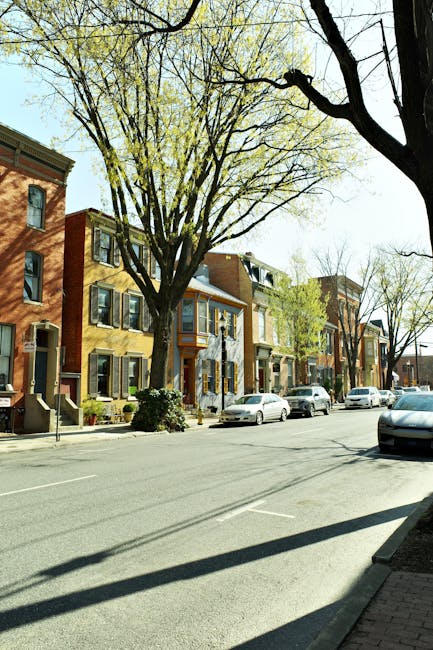
Picture a typical Victorian terrace in Maryland: two bedrooms upstairs, one narrow staircase, a front room with a sofa that looked modest in the shop, and a wardrobe that became mysteriously larger after assembly. The van can't park directly outside because the street is already busy with residents and delivery vehicles. The front path is short but narrow, and the hallway has a sharp turn leading into the stairs.
Now compare two approaches.
Approach one: The move starts without measuring anything. The sofa reaches the front door and immediately catches the frame. Someone says "we'll just angle it," which is the sentence that often leads to sweating, awkward silence, and a chipped wall. The crew has to stop, re-set, and try again. The timing slips. The mood slips with it.
Approach two: The route is measured the day before. The wardrobe is dismantled. The van is positioned with enough clearance for loading. Fragile items are packed separately. The team knows the stair turn is the hardest point, so the heaviest furniture is handled first while everyone still has energy. The job still takes effort - of course it does - but it feels orderly rather than chaotic.
That second approach is what good access planning looks like in practice. Not perfect. Just calmer, safer, and more controlled. And that is usually enough.
Practical Checklist
Use this before moving day. It is simple, but it catches a lot.
- Measure doors, stairs, hallway turns, and any rear access.
- Check where the van can legally and safely stop.
- Identify the largest and heaviest items first.
- Dismantle furniture that would otherwise snag on the route.
- Protect walls, door frames, bannisters, and corners.
- Clear the hallway, porch, and entry path.
- Pack essentials separately so access routes stay open.
- Label boxes clearly to speed loading and unloading.
- Set aside tools, tape, blankets, and gloves.
- Keep a backup plan for parking or weather changes.
- Tell movers about any unusually tight steps or awkward turns in advance.
- Make sure the final walk-through is done before you hand over the keys.
Practical takeaway: if access looks tight on foot, it will feel tighter with furniture. Plan for the furniture version, not the empty-house version.
Conclusion
Access problems in Victorian terraces are normal, not unusual. The homes are characterful, but they can be tricky to move through without a plan. The good news is that most of the stress is manageable once you've measured properly, thought through the route, and matched the moving method to the property rather than the other way around.
Whether you're moving a few rooms or an entire house, the safest and smoothest moves usually come down to simple habits: know your bottlenecks, clear the route, protect the property, and don't try to muscle through an awkward lift just because it looks quicker. It rarely is. A little care now saves a lot of trouble later, and that is especially true in tight-access Maryland terraces where every inch matters.
If you want to keep planning with confidence, you may also find the pages on services overview and removals in Maryland helpful while you work out the next step.
Get a free quote today and see how much you can save.
And if you're standing in a hallway wondering how on earth that sofa got in there in the first place - don't worry. You're not the first, and you won't be the last.