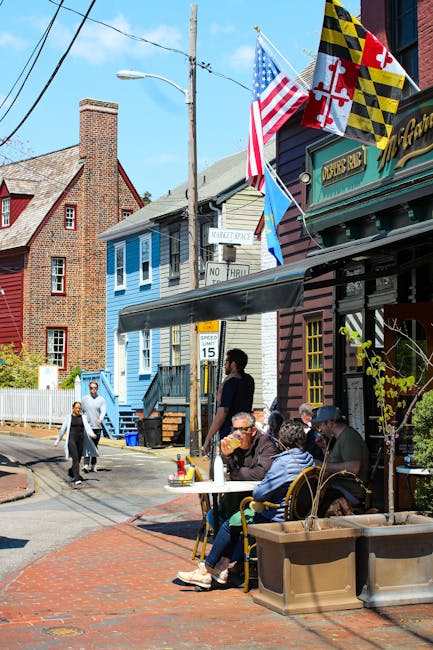
Narrow-Street Moving Tips near Maryland Station
Posted on 22/05/2026
Narrow-Street Moving Tips near Maryland Station: A Practical Guide for Tight Access, Busy Roads, and Stress-Free Moves
Moving home is never just about boxes and tape. If your route involves a narrow street near Maryland Station, the whole day can hinge on small details: where the van can pause, how quickly furniture can be carried, whether the neighbours still have a way through, and how much bending, shuffling, and patience you can realistically handle. That is where narrow-street moving tips near Maryland Station make a real difference.
This guide is built for the awkward, lived-in realities of moving in a tight London setting. You will find straightforward planning advice, practical loading strategies, equipment suggestions, and a few local-sense reminders that can save time and avoid that horrible moment when a van blocks half the street and everyone starts looking out of windows. Truth be told, narrow streets are manageable. They just ask for better preparation.
Along the way, we will also point you toward useful resources such as the full removal services overview, man with a van support in Maryland, and packing and boxes services where it helps to have extra support. If you are moving a flat, a family home, or a single awkward sofa that barely fits through the front gate, there is something here for you.
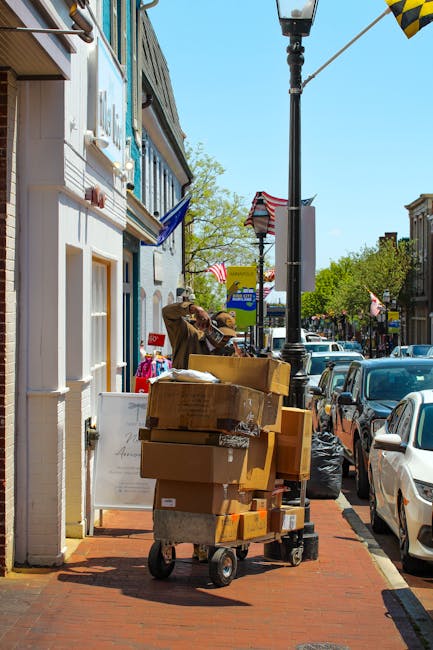
Why Narrow-Street Moving Tips near Maryland Station Matters
Moving through narrow streets is a different game from moving on a wide residential road or a driveway-led estate. Near Maryland Station, you may be dealing with parked cars, foot traffic, time-sensitive loading, shared access with neighbours, and older housing layouts that were never designed around modern removal vans. One bad decision can snowball quickly: a blocked entrance, a damaged wall, a delayed lift from a top-floor flat, or a stressed team trying to turn a van at an awkward angle.
That does not mean the move becomes difficult in every case. It means the margin for error is smaller. Planning matters more. Packing matters more. The order of loading matters more. And so does the choice of vehicle. If you are arranging a flat move, you may find it useful to read about flat removals in Maryland because access challenges are often part of the package in this part of London.
The practical point is simple: narrow-street moves are about reducing friction. Less repositioning. Less backtracking. Less carrying items twice. Better coordination with the driver. Better communication with neighbours. Better timing around school runs, commuter traffic, and the general daily shuffle that comes with an area near a station. It all adds up.
Expert summary: In a narrow-street move, success usually comes from small efficiencies rather than one big trick. Measure the access, reduce the volume, park smart, load in the right order, and keep the walking distance short. That is the real formula.
How Narrow-Street Moving Tips near Maryland Station Works
At a practical level, a narrow-street move works by breaking the job into access, load planning, and timing. You are not just moving items from A to B. You are managing the street itself as part of the move. That means thinking about where the van stops, which entrance is easiest to use, what can be carried first, and how long the vehicle can remain in position without becoming an obstacle.
Most moves in tight streets go better when the heaviest and bulkiest items are handled first, before energy drops and the access route gets cluttered with cardboard, wrap, and odd bits of furniture that have nowhere to wait. It is also worth matching the vehicle to the street. A smaller van can be more useful than a larger one if the road is tight and turning space is limited. For some jobs, a general removal van in Maryland is enough; for others, a more flexible man and van option makes the whole day easier.
You will also usually need to decide whether the move is fully self-managed or partly supported by professionals. If there are stairs, awkward furniture, or a very limited loading bay, professional help can be the difference between a tidy move and a painful one. That is especially true if you are moving heavier items or fragile pieces that cannot be squeezed around a corner twice without risk.
Key Benefits and Practical Advantages
When you plan properly for a narrow-street move, you get more than convenience. You create a calmer process from start to finish. That may sound a bit simple, but calm is valuable on moving day. It helps people remember keys, keep pathways clear, and avoid the classic "where did we put the kettle?" moment. Been there. Not ideal.
Here are the main advantages:
- Less congestion: A well-planned arrival and loading strategy reduces the chance of blocking the street or stressing neighbours.
- Lower risk of damage: Fewer awkward turns and shorter carry distances mean fewer knocks to furniture, walls, and doorframes.
- Better time control: A narrow-street move often runs more smoothly when the order of tasks is clear before the van arrives.
- Reduced physical strain: The less you have to carry repeatedly, the less tired and sloppy everyone gets by the afternoon.
- Improved communication: When everyone knows the plan, there is less confusion between the home, the driver, and anyone helping on the day.
There is also a quieter benefit: confidence. Once the access challenge is understood, the whole move feels less intimidating. That matters, especially for first-time movers, students, and families juggling the day around work or childcare. If you are a student, a dedicated student removals service in Maryland can be a sensible fit because the load is often smaller, the timing tighter, and the budget more sensitive.
Who This Is For and When It Makes Sense
This guide is useful if any of the following sound familiar:
- You live on a narrow street with parked cars on both sides.
- Your building has a tight entrance, shared hallway, or a tricky stairwell.
- You are moving near Maryland Station where traffic and footfall can change quickly through the day.
- You have furniture that is large, heavy, fragile, or awkwardly shaped.
- You need to complete the move quickly because of key handover timings, work commitments, or a same-day switch.
It also makes sense if you are trying to decide between doing it yourself and booking help. A narrow road might not sound like much, but combine it with a wardrobe, a mattress, a freezer, and a last-minute rain shower, and suddenly it is a different story. If there is a big item involved, it may be worth looking at furniture removals in Maryland or even piano removals in Maryland if you are dealing with an especially delicate piece.
For office relocations, the stakes are a bit different. You are not only moving items; you are trying to protect business continuity and reduce downtime. In that case, office removals in Maryland may be the better route, even if the street access is the same headache.
Step-by-Step Guidance
Here is a practical sequence you can follow. Not glamorous, but it works.
- Survey the access early. Walk from the property to the kerb and check for bottlenecks: steps, narrow gates, low branches, tight corners, or cars that typically park where you would want to load.
- Measure the awkward bits. Doorways, stair widths, lift sizes, and the length of your largest furniture items should all be known before the van arrives. A tape measure is boring. Still essential.
- Reduce the load before moving day. Decluttering is not just about throwing things away. It is about removing items that would create extra carrying, extra wrapping, and extra decisions in a cramped street. Our linked guide on decluttering before a house move is a useful companion here.
- Choose the right packing method. Good packing protects your possessions and speeds up loading. If you want a detailed refresher, this packing guide covers the basics in a very usable way.
- Group items by unload priority. Put essentials, fragile boxes, and anything needed first on arrival near the back of the van or marked clearly for quick access.
- Reserve the easiest loading point. If you can place the van close to the entrance without blocking crossings or creating risk, do it. Short carry distances reduce strain and speed things up.
- Load in the correct order. Heavy items first, then sturdy boxes, then lighter or fragile items. That way, the load is stable and you are not rebuilding the van three times.
- Keep the path clear. On a narrow street, a neat carry line matters. Boxes should not gather in a pile where people need to pass.
- Check and re-check as you go. Small items disappear quickly. A final sweep of cupboards, drawers, and under beds can prevent a later headache.
A quick note: if you are moving a bed, it is often worth dismantling it rather than trying to turn it through a tight landing in one piece. The same is true for many sofas. If this sounds familiar, the guides on moving your bed and mattress safely and protecting sofas during storage will help you avoid avoidable damage.
Expert Tips for Better Results
A few small decisions can make a surprisingly large difference on a narrow street. These are the details that experienced movers tend to care about, because they have seen what happens when people skip them.
1. Load the van like a puzzle, not a bin
It sounds obvious, but the arrangement of items inside the van matters even more when access is tight. If you need to stop and reload because one item is buried, you lose time and create extra handling. Heavier, square items should sit low and tight. Softer or fragile items can be protected with blankets and placed where they will not shift.
2. Protect the route as well as the furniture
Door frames, stair edges, and tight corners are your real enemies here. Use blankets, corner guards, and clear communication. One person carrying and one person guiding can be far safer than two people pushing blindly through a bend. Small team? Even more reason to slow down a touch.
3. Plan around street life, not just your own schedule
Near Maryland Station, traffic patterns can change through the day. Morning commuters, delivery vans, school traffic, and weekend footfall can all affect where you stop and how long loading takes. A move that starts at the "wrong" time can become frustrating very quickly. If you can be a little flexible, be a little flexible.
4. Use labels that actually help
Labels like "kitchen" are fine. Labels like "kitchen - kettle, mugs, tea, first" are better. In a tight move, the first hour after arrival can be chaotic enough without opening random boxes in search of charger leads and a screwdriver.
5. Keep one person in charge of decisions
On moving day, too many opinions can slow everything down. One person should be responsible for making access calls: where the van goes, which item comes next, whether a route is too tight, and when to pause. That single decision-maker keeps the day moving. Literally.
For heavier lifting specifically, it is worth reading these practical heavy-lifting tips and, for a more movement-focused approach, this guide to safer lifting technique. They are especially useful if you are trying to avoid a sore back the next morning.

Common Mistakes to Avoid
Most narrow-street moving problems are predictable. That is the good news. The slightly annoying news is that they are also very easy to repeat if you are rushed.
- Assuming the van can stop anywhere. A street that looks fine on foot may feel very different once a vehicle is involved.
- Underestimating carry distance. Twenty extra metres does not sound like much until you are doing it twelve times with a wardrobe box.
- Leaving everything to the last minute. Late packing almost always leads to worse loading, poorer labelling, and more clutter in the access route.
- Forgetting to protect the hallway. Scratches on white paint or scuffs on a bannister are exactly the sort of thing that gets noticed after the move, and not in a good way.
- Choosing a van that is too large. Bigger is not always better on a narrow road. Sometimes smaller and more manoeuvrable is the smarter call.
- Moving awkward items without checking first. Big sofas, mattresses, freezers, and pianos need special thought. The wrong angle can cause damage in seconds.
One thing people often miss is the emotional clutter. Not the sentimental stuff, the decision clutter. Should this box go first? Should we bring that mirror now? Can the bike fit? Too many micro-decisions make everyone slower. So pre-decide as much as you can.
Tools, Resources and Recommendations
You do not need fancy gear to complete a narrow-street move, but a few tools will make life much easier.
| Tool or Resource | Why It Helps | Best Used For |
|---|---|---|
| Measuring tape | Confirms whether furniture, doors, and stairwells are workable | Large items, tight hallways, lift access |
| Furniture blankets | Protects edges and surfaces during short carries and van loading | Sofas, tables, wardrobes |
| Trolleys or sack trucks | Reduces strain and speeds up movement on flat surfaces | Boxes, white goods, medium-heavy items |
| Strong labels and marker pens | Makes unloading faster and more orderly | Room-by-room sorting, essentials boxes |
| Protective wrap and tape | Keeps items secure and reduces rubbing or dust transfer | Fragile items, drawers, fittings |
For more support, the service pages are worth exploring depending on your move type. A local removals service in Maryland can suit a fuller house move, while same-day removals in Maryland may suit short-notice situations where timing is tight. If your moving day is mostly about boxes and materials, packing supplies in Maryland may be the simpler place to start.
If you need to store a few items before or after the move, temporary storage can remove a lot of pressure from a narrow-street schedule. See storage options in Maryland if the handover, parking, or access timing does not line up neatly. That little bit of breathing room can save a stressful day.
Law, Compliance, Standards, or Best Practice
For most private domestic moves, there is no special legal rule that says "narrow streets must be moved this way." But there are sensible best practices and local responsibilities worth keeping in mind. If you are parking on a public road, you should avoid causing unsafe obstruction. If loading affects neighbours, entrances, or shared access, clear communication is just good manners and practical risk control.
In London, it is also wise to think about council parking expectations, any temporary restrictions, and whether your move could interfere with access for emergency services, pedestrians, or deliveries. Exact arrangements vary by area, so it is safer not to assume. If you are unsure, check with the relevant local authority or the property management contact before moving day.
From a business and safety point of view, using a provider that treats lifting, vehicle loading, and property protection seriously is a plus. Reading a company's health and safety policy and insurance and safety information can help you understand how they handle risk. If you care about the broader service ethos, the about us page is also useful background.
There is also a practical standards point: if a move involves handling delicate, heavy, or high-value items, best practice is to use the right number of people, the right lifting method, and the right protective materials. No shortcut is worth a cracked item or an injury. Not worth it at all.
Options, Methods, or Comparison Table
If you are deciding how to handle a narrow-street move near Maryland Station, the best option depends on volume, access, and how much physical work you want to do yourself. Here is a simple comparison.
| Method | Best For | Strengths | Trade-Offs |
|---|---|---|---|
| DIY with your own vehicle | Very small moves, a few boxes, minimal furniture | Low direct cost, full control | Harder parking, more trips, higher physical effort |
| Man and van | Small to medium moves in tight streets | Flexible, usually easier to adapt to access constraints | Not always suited to larger or complex moves |
| Full removals service | House moves, larger furniture loads, families | More support, better coordination, less lifting for you | Higher cost than DIY, but often better value overall |
| Storage-assisted move | Moves with timing gaps, access issues, or staged relocation | Reduces pressure on move day, supports flexibility | May add an extra step to the process |
If you want a more general sense of service differences, removal services in Maryland and local removal companies in Maryland are both sensible comparison points. The right choice is not always the biggest team. Sometimes it is the most suitable one for the street you actually live on.
Case Study or Real-World Example
Imagine a typical move near Maryland Station: a two-bedroom flat, a narrow road with cars parked on one side, and a top-floor walk-up with a stairwell that bends halfway up. The occupants have packed most rooms well, but the sofa is still in one piece, the mattress is oversized, and there is a freezer that needs careful handling. The van arrives on time, but there is only one clear loading spot and it is shared with another property.
What helps here? First, the team identifies the easiest entrance and keeps it clear. Second, the heaviest furniture is moved first while everyone still has energy. Third, the sofa is protected and checked against the doorway before anyone commits to a tight turn. Fourth, the freezer is handled with proper care rather than being nudged around like a box of books. Small decisions, one after another.
Now, if the move had not been prepared this way, the story might have been very different. Boxes would have cluttered the hall, someone would have gone back for tape three times, and the van would likely have been parked too far away for comfort. That is the thing about narrow streets: they expose weak planning fast. But they also reward good planning just as quickly.
For households with a lot of belongings, the move may benefit from a phased approach: some items go first, some go to storage, and the rest follow once access is easier. This is especially useful if you are juggling keys, building access, or a delayed handover. A small bit of patience can save a big headache.
Practical Checklist
Use this checklist the day before and the morning of the move. It is simple, but that is the point.
- Confirm the exact moving address and access point.
- Measure the biggest furniture items and the narrowest gaps.
- Decide where the van will stop and how long it can stay there.
- Tell neighbours if access may be briefly affected.
- Pack essentials separately and label them clearly.
- Disassemble large furniture where possible.
- Protect doorframes, corners, and fragile surfaces.
- Keep walkways free from boxes and wrapping.
- Assign one person to direct loading decisions.
- Check cupboards, drawers, loft spaces, and under beds before leaving.
- Keep phone chargers, keys, and documents with you.
- Have water and a quick snack ready; tired people make odd choices.
If you are also cleaning before handover, the moving-out cleaning checklist is worth a look. And if you are still working through the emotional side of leaving a place behind, these peaceful house-move steps can help keep the day steady.
Practical takeaway: the easiest narrow-street move is usually the one where the route, the van, the packing, and the lifting plan all agree with one another before anyone starts carrying boxes.
Get a free quote today and see how much you can save.
Conclusion
Narrow-street moving tips near Maryland Station are really about control. Not controlling every unpredictable thing, because that is impossible, but controlling the parts you can influence: preparation, access, order, protection, and timing. If you get those right, the rest feels much less chaotic.
Whether you are moving a studio flat, a family home, or a few bulky pieces that need careful handling, a narrow street does not have to become a disaster. It just asks for a calmer, smarter method. Measure first, pack well, choose the right support, and keep the street working with you rather than against you.
And honestly, that little bit of preparation changes the whole mood of the day. Less rushing, fewer knocks, fewer surprises. Just a smoother move, and a better start in your new place.