Avoid Bulky Waste Penalties in Maryland: Disposal Options
Posted on 02/06/2026
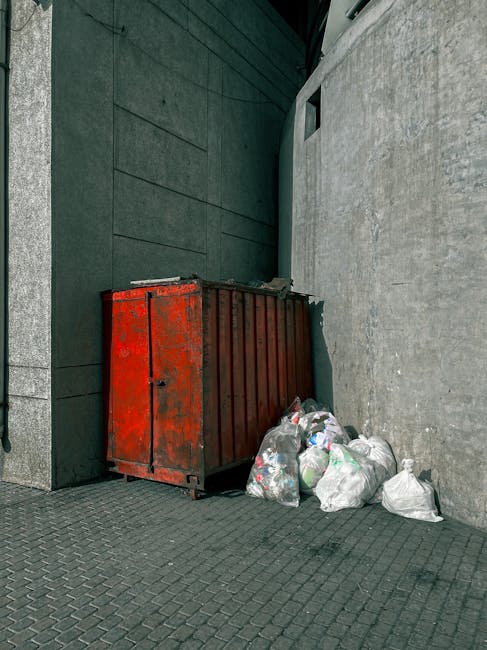
If you have a sofa blocking the hallway, an old mattress leaning in the spare room, or a broken freezer sitting in the garden, you already know the feeling: bulky waste has a habit of becoming urgent right when you are already busy. In Maryland, getting rid of large items the wrong way can lead to avoidable costs, complaints, or a nasty surprise from local enforcement. This guide on Avoid Bulky Waste Penalties in Maryland: Disposal Options walks you through the practical, low-stress ways to dispose of large household and office items without creating problems for yourself.
We will look at what counts as bulky waste, why penalties happen, how disposal usually works in practice, and which option makes sense for different situations. You will also get a simple step-by-step process, a comparison table, a real-world example, and a checklist you can actually use. No fluff. Just the sort of advice that helps on a wet Tuesday afternoon when the van is outside and the clutter is still inside. Let's get into it.
Why Avoid Bulky Waste Penalties in Maryland: Disposal Options Matters
Bulky waste is the stuff that does not fit neatly into an ordinary bin collection. Think wardrobes, divans, broken tables, exercise equipment, old white goods, and large office items. It is easy to assume you can just leave these items by the kerb and be done with it. In reality, that is where many people run into trouble.
Penalties are usually tied to illegal dumping, obstruction, fly-tipping, or leaving waste in a place where it should not be. Sometimes the issue is not even malice; it is confusion. Someone is moving house, or clearing a flat, and they are not sure whether the item can be taken by a normal collection, booked as a special uplift, donated, or recycled. The result is often delay, stress, and cost.
There is also a less obvious reason this matters: bulky waste left too long can make a property look abandoned, attract pests, or cause access issues for neighbours and contractors. In shared housing, that can quickly become a complaint. If you are preparing for a move, it is worth pairing disposal planning with other tasks such as decluttering before your house move and using the right packing approach from our stress-free packing guide. A bit of planning up front saves a lot of faff later.
Practical takeaway: the safest way to avoid bulky waste penalties is to decide where each item goes before it is taken out of the property, not after.
How Avoid Bulky Waste Penalties in Maryland: Disposal Options Works
The process is simpler than people expect, but it does require a little judgement. First, identify what you actually need to get rid of. Then separate the items by type: reusable, recyclable, specialist, and general bulky waste. That split matters because a sofa, a mattress, and a fridge do not all follow the same disposal route.
From there, think in terms of the most responsible and practical option. Some items are suitable for reuse. Others need collection by a licensed waste carrier or a local bulky waste service. A few, like pianos or very heavy furniture, are safer when handled by trained movers rather than improvised by one determined person and a prayer. If you have ever tried to twist a wardrobe down a narrow stairwell, you will know exactly what that means.
In Maryland, the right route often depends on four things:
- Condition: can the item be reused, or is it broken beyond sensible repair?
- Size and weight: can it be moved safely without damaging walls, floors, or the item itself?
- Material: does it contain components that need special handling?
- Timing: do you need it gone today, or can you schedule removal properly?
For example, if you are clearing a flat and have a mix of furniture and boxes, a structured removal plan can be easier than a last-minute scramble. That is where services such as house removals in Maryland or man and van support in Maryland can sit neatly alongside disposal, especially when bulky items need lifting, transport, or temporary storage.
Key Benefits and Practical Advantages
Avoiding bulky waste penalties is the obvious benefit, but there is more going on here than just staying on the right side of rules. Proper disposal makes moving, cleaning, and handing a property back much calmer. You will notice the difference in small, practical ways.
- Less risk of fines or complaints: when items are handled correctly, you reduce the chance of enforcement action or neighbour frustration.
- Safer lifting and handling: proper removal cuts down on back injuries, dropped items, and scratched floors.
- Better recycling and reuse: some items can be passed on instead of thrown away, which is both cleaner and more economical.
- Faster moves: a clear disposal plan keeps moving day moving, rather than turning it into a prolonged tidy-up.
- Less property damage: large items moved the wrong way tend to mark paintwork, chip corners, and snag on stairs.
There is also a mental benefit, and it is not small. Once the bulky stuff is out, the room feels different. Quieter, somehow. More manageable. That can be a real boost if you are dealing with end-of-tenancy deadlines, student turnover, or a family move where everyone is already a bit tired.
If the task is part of a wider relocation, it can make sense to coordinate with a team that already understands heavy furniture and awkward access. Pages like furniture removals in Maryland and removal services in Maryland can help you align disposal with transport, rather than treating them as separate jobs.
Who This Is For and When It Makes Sense
This topic is relevant to more people than you might think. Bulky waste is not just a landlord issue or a moving-day issue. It crops up in ordinary life all the time.
- Home movers: people getting rid of worn-out furniture before a house move.
- Students: tenants who need to clear items quickly between term dates or end-of-tenancy handovers.
- Landlords and agents: anyone managing clearance between occupancies.
- Office managers: businesses replacing desks, chairs, filing cabinets, or surplus equipment.
- Older households downsizing: when the old dining table or mattress simply will not be needed in the new place.
- Anyone with one-off awkward items: a freezer, treadmill, piano bench, broken wardrobe, or heavy sofa that has outlived its welcome.
It also makes sense if you are already using a moving service and want everything done in one go. For instance, if you are a student leaving Maryland, coordinating disposal with student removals in Maryland can save a second trip and reduce stress. Same story with flats: smaller properties often need careful scheduling and narrow-corridor handling, which is why flat removals in Maryland can be a practical fit.
Truth be told, the "when" is often more important than the "what." If the item is in the way, unsafe, or tied to a moving deadline, it is time to act.
Step-by-Step Guidance
Here is a sensible process that works for most situations. It is not flashy, but it works.
- List everything bulky. Walk through the property and make a quick inventory. Do not rely on memory. Memory is brilliant until it isn't.
- Sort items by destination. Decide whether each item is being reused, donated, recycled, sold, or removed as waste.
- Check for specialist handling. Pianos, fridges, mattresses, and some electrical items may need separate handling or extra care.
- Measure access points. Door widths, stair turns, lift access, parking space, and loading distance all matter.
- Choose the disposal route. This may be a local collection, a van-and-loader service, or a specialist removal team.
- Separate hazardous or mixed materials. Remove batteries, loose glass, liquids, and other problem items where appropriate.
- Schedule the removal before deadlines. If you are moving out, book the disposal in advance of handover day, not the morning of.
- Document what you have done. Keep basic records, receipts, or confirmation where available. That is especially useful for business or tenancy handovers.
If you are dealing with heavy or awkward objects, do not improvise. A bit of confidence can be a dangerous thing around staircases. For lifting guidance, see how to conquer heavy lifting alone like a pro and the practical ideas in our lifting technique guide. They are useful even if you ultimately decide not to do the lifting yourself.
A simple decision flow
If the item is reusable, try reuse first. If it is recyclable, separate recyclable components. If it is heavy, awkward, or high-risk, use a professional removal option. If it is none of those and still classed as bulky waste, arrange the proper collection route rather than leaving it out and hoping for the best. Hope is not a strategy here.
Expert Tips for Better Results
The difference between a smooth clearance and a stressful one usually comes down to small details. A few practical habits make the whole process easier.
- Book around your moving timeline: bulky waste should leave before the final clean, not after it.
- Group similar items together: sofas with sofas, bedding with bedding, and mixed rubbish separated from reusable goods.
- Protect surfaces: doors, skirting boards, and corners can take a beating when large furniture is removed.
- Use the right transport: not every item fits safely into a standard car boot, obvious as that sounds.
- Choose reuse where possible: if an item can be resold or donated, that often feels better and can reduce disposal volume.
- Think about storage: if you are not ready to decide, temporary storage can buy you breathing room. That is where storage in Maryland can be helpful.
One of the most useful things you can do is keep an "outgoing pile" separate from the rest of the move. It sounds almost too simple, but it stops a lot of confusion. You do not want someone accidentally packing a broken bedside table because it looked vaguely useful in the half-light.
If an item is particularly delicate or valuable, professional handling matters even more. Pianos, for instance, are not just heavy; they are awkward, fragile, and expensive to get wrong. That is why piano removals in Maryland and the article on professional piano relocation are worth a look if your clearance includes a serious instrument rather than a decorative keyboard.

Common Mistakes to Avoid
Most bulky waste problems are avoidable. They start with assumptions, rushed decisions, or one too many items at the door on collection day.
- Leaving items on the street without checking: this is the classic mistake. If it is not authorised, it can be treated as fly-tipping or improper disposal.
- Mixing everything together: recycling, reusable items, and waste all in one heap creates delays and extra cost.
- Underestimating access issues: many people forget about stair bends, narrow entrances, or no-parking zones until the van arrives.
- Trying to move oversized items alone: this is where backs, doorframes, and tempers all tend to suffer.
- Forgetting specialist items: fridges, freezers, and mattresses often need a separate plan.
- Leaving it too late: a last-minute rush usually costs more and makes better disposal options disappear.
There is also a paperwork mistake people forget about: failing to keep evidence of legitimate removal or collection where it matters. That is especially relevant for businesses, landlords, and shared tenancies. If you ever need to refer to service expectations or support terms, a page like terms and conditions can be useful for understanding how a provider frames responsibilities.
And one more thing. Just because something is bulky does not mean it is rubbish. Sometimes it is repairable, storable, or worth moving after all. A quick pause can save you money. Funny how that works.
Tools, Resources and Recommendations
You do not need a warehouse full of gear to handle bulky waste properly, but a few basic tools make the job safer and cleaner.
- Measuring tape: for checking doors, stairs, lifts, and vehicle access.
- Furniture blankets or wrapping: helps protect items and walls during movement.
- Straps or gloves: improves grip and reduces the risk of slipping.
- Labels or marker pens: helpful when sorting keep, donate, recycle, and dispose.
- Trolley or sack truck: useful for heavier items, if the item shape allows it.
For support beyond simple uplift, look at services and guides that align with the type of item you have. If you are dealing with a one-off collection and a small load, man with a van in Maryland or removal van in Maryland may be the right fit. For larger whole-property moves, removals in Maryland can provide a broader solution.
If you are comparing options, do not just look at price. Check whether the provider is clear about handling, loading, and safety, and whether they explain how fragile, heavy, or awkward items are managed. Helpful support pages such as insurance and safety and health and safety policy can give you a better sense of how carefully a service operates.
Law, Compliance, Standards, or Best Practice
This is one of those subjects where careful wording matters. Local disposal rules can vary by area, property type, and waste stream, and the safest approach is to follow the instructions that apply to your collection point or service provider. In practical terms, the standard to aim for is simple: do not abandon waste, do not obstruct public space, and do not assume that "someone will deal with it" is good enough.
For households, best practice usually means using a recognised collection route, making sure items are prepared safely, and separating waste types where possible. For businesses and landlords, the bar is higher because there is often a duty to show that waste was handled responsibly. Clear records, legitimate carriers, and sensible scheduling all help.
If a contractor is moving items for you, it is worth checking how they approach safety, payment security, and complaints handling. These are not just formal pages. They show whether a company takes accountability seriously. Useful references on this site include payment and security, complaints procedure, and about us.
There is also a sustainability angle. Reuse and recycling should be considered before disposal wherever practical. The broader approach is reflected well in recycling and sustainability, which fits nicely with the common-sense idea of throwing away less and sorting more carefully. That is just decent practice, really.
Options, Methods, or Comparison Table
Choosing the right disposal method depends on speed, item type, cost, and how much effort you want to spend. Here is a practical comparison.
| Option | Best for | Pros | Watch-outs |
|---|---|---|---|
| Reuse or donation | Items in good condition | Low waste, potentially free, environmentally sensible | Not suitable for damaged, dirty, or unsafe items |
| Scheduled bulky waste collection | Standard large household items | Convenient, usually straightforward | Timing may not suit urgent moves; rules vary |
| Van and loader service | Mixed bulky items or larger clearances | Flexible, useful for awkward access, less lifting for you | Costs more than doing it yourself, quality varies |
| Specialist removal | Pianos, heavy furniture, fragile or difficult items | Safer handling, lower damage risk | May need more planning and a wider service scope |
| Storage first, decision later | Uncertain items or phased moves | Buys time and reduces rushed decisions | Not a final disposal solution |
To be fair, a lot of people use a mix of these options. A sofa might be recycled, a table sold, and a freezer removed by a specialist. That mixed approach is often the smartest one. It is not glamorous, but it is efficient.
Case Study or Real-World Example
Here is a realistic example from a typical Maryland moving scenario. A family is leaving a two-bedroom flat. They have a sofa with a torn arm, a mattress, an old freezer, and two heavy bookcases. At first, they assume everything can go out on moving day with the rest of the rubbish. Then they realise the freezer needs different handling, the bookcases are too heavy for one person, and the sofa is not something they want to drag down a narrow staircase at the last minute.
Instead of risking a fine, damage, or a chaotic handover, they split the job into stages. The reusable items are listed separately. The broken furniture is grouped for removal. The freezer is handled as a specialist item. They book support in advance, and the flat is clear before the final clean. The whole thing costs less in stress than it does in money, which is often how these jobs should be judged.
There is a simple lesson here: the best disposal plan is the one that matches the item, the deadline, and the access conditions. Not every bulky item needs the same solution. That's the point. If you are coordinating a move with awkward access around the local area, articles like narrow street moving tips near Maryland Station, loading bays on Romford Road, and best times for removals on Barking Road can also help with planning the practical side of moving heavy items.
Practical Checklist
Use this checklist before you move any bulky waste. It keeps things tidy and reduces mistakes.
- Identify every bulky item in the property.
- Decide whether each item is reusable, recyclable, special-handling, or waste.
- Measure doors, stairs, lifts, and vehicle access.
- Check whether any item needs dismantling before removal.
- Remove loose contents, batteries, liquids, or fragile pieces where needed.
- Protect walls, floors, and doorframes before lifting starts.
- Choose the right removal method for each item.
- Book the collection or removal before handover day.
- Keep any receipts, confirmations, or job notes.
- Do a final sweep so nothing gets left behind in cupboards, sheds, or loft spaces.
Quick sanity check: if an item feels risky to move, it probably is. That is usually enough reason to get help.
Conclusion
Avoiding bulky waste penalties in Maryland is not really about memorising rules. It is about making sensible choices early, using the right disposal route, and not leaving large items to become an emergency. If you sort items by condition, understand the access you are dealing with, and choose the right method for each object, you will stay calmer and keep the whole move moving.
For many people, the winning formula is a mix of decluttering, careful lifting, and using professional help where it genuinely saves time or reduces risk. A sofa, a mattress, a freezer, a piano, and a pile of mixed furniture do not all need the same solution. Once you see that clearly, the process gets a lot less daunting.
If you are planning a move, doing a clear-out, or simply trying to get one very awkward item out of the way, take the calm route. It is usually the cheaper route too, after everything is counted.
Get a free quote today and see how much you can save.
And once the bulky stuff is finally gone, there is a lovely little moment when a room feels lighter. Not just empty. Better. That moment is worth aiming for.